It's Only Hair

How to Live, Find Joy and Let Go.

Brenda Zara Tan, author of It's Only Hair
  • Most people don’t know this, but I spent the first five or six years of my life in low-cost flats. The kind with stairwells that sometimes reeked of pee. But that wasn’t my parents’ home. My parents lived in a big bungalow with hired help. Meanwhile, I lived with my babysitter, a widow raising three teenage daughters on her own. A kind, gentle, and soft-spoken woman I called Mama.

    In those first years of my life, Mama was like a mother to me. She did everything a mother would: fed me, taught me, cared for me, loved me. Most importantly, she felt like a mother to me. At her place, life was simple, yet I never wanted for anything. We all slept in one small room, several thin mattresses lined across the floor. She always patted me to sleep. Later, when I was too old to require pats, she’d still pat me. I never pointed to her how big I already was because secretly, I craved the affection. It was something I didn’t get much from the family home.
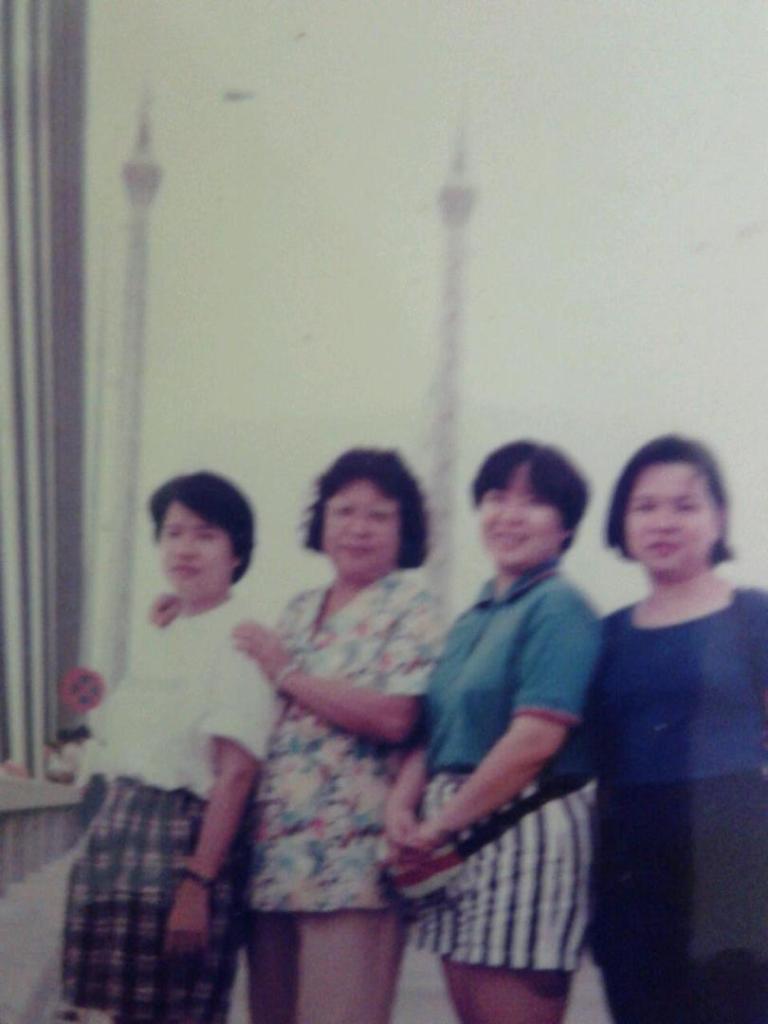
    My Mama, a babysitter who was like a mother to me, and her 3 daughters.
    My Mama. The woman who babysat me through my formative years, and her three daughters. She raised me like one of her own and will always be a mother to me.

    Food was far from lavish. Canned fish with salted black beans shared between the five of us was a staple. We walked everywhere, sometimes took buses. Taxi rides were a treat. The highlight of my day was the pisang goreng she would present after my evening nap. But that didn’t come often. Most days she would tell me the stall wasn’t open. Looking back now, pisang goreng was probably a rare treat she could ill afford.

    She’d always recount with a chuckle how her late husband adored me, bringing home a raisin bun daily that I would quickly pull apart just to consume the raisins and discard the rest. I remember his presence, though I was really young then: thin, slightly balding, and soft-spoken just like her. He passed unexpectedly. One day there, the next day gone. When I returned to her place just a day or two later, it seemed like life went on as usual.

    I never saw her crying or sad. It must have been tough, raising three girls on her own with only her babysitting salary. And yet, she made everything happen. I never felt the struggle under her roof. Somehow, she just made things work. Every Chinese New Year, she would hand me a huge bag of brand-new clothes. So many that I now wonder how she managed to afford them.

    Each week, from Sunday night through Friday night, I stayed at her place. My parents would pick me up Friday nights to spend weekends with them, then drop me off again Sunday nights. I would often pretend to be asleep on Friday nights, hoping my parents would come back the next day so I could spend another night with her. My fondest and most heartbreaking memory was seeing her wave goodbye from her balcony as the car drove off each weekend. She always stood there, waving, until we disappeared from sight.

    As I grew too old to require babysitting, I would beg to spend my month long year-end school holidays at her place instead of enjoying beach holidays with my family. It was peaceful in her household. More importantly, I was happy to read and watch movies on repeat all day. I still can’t quite explain the appeal. Maybe it was the quiet, unspoken comfort of just knowing she was close by. And her? For some reason, she was fine having another human to care for.

    She gently taught me everything a mother would pass on to a daughter. Though she didn’t live with abundance, she always reminded me never to be greedy and to only take what I needed, to leave what’s left for others.

    She’s not here on earth now. She passed about two years ago. But I didn’t feel sad about her passing. I guess to me, not living a mobile life isn’t dignified living, and to be free of that meant no more languishing.

    Last night I dreamt about her. I was talking to her on the phone, her voice just as I remember it from all those years ago. Comforting, gentle, and calm. And then I cried. Not because I wanted her back here, but because I once felt warmth, adoration, and acceptance in an unconditional way. As I reflect, I guess my formative years with her shaped who I am. I learned very early in life that all the excesses in the world would never fill your heart the way a loving home does. I had the big house with chandeliers and a huge garden, but it was always that small, unassuming home I would run to.

    It was where I felt the happiest as a child. It was a time where I lived with little, but felt the most loved.

    I don’t believe in a heaven or hell. But if there was a heaven, I’m certain Mama is right up there now, living her best life free from worldly pains and worries, as she so deserves. And me? I’m just so grateful to have had her touch my life the way she did.
    Leave a comment

  • Why you should ignore the voices and just f*cking do it.

    I just wanted to write about writing today. What prompted this? About a month ago, a friend invited me to a book reading event. “Come! The publisher will be there. I’ll introduce you,” she said. And so she did.

    I shared with the publisher what my book was about: my daughter who still wishes loudly that she had cancer sometimes, and why that might be. The publisher said she would love to read it and promptly gave me her contact details. Then, for the rest of the week, I spiraled into panicked, self-loathing anxiety. What if I sent it and embarrassed myself? Maybe my manuscript was subpar and my friends simply hadn’t had the heart to tell me. I spent the week obsessively polishing the first few chapters, hoping to submit at least a half-decent sample that might hold her attention long enough to make her want to read the rest.

    I sent the sample and heard nothing for two weeks. When I followed up, she explained she’d been inundated with work. “Ok, that’s better than her hating my work,” I thought.

    A notepad on a writing desk with the word 'Loser' on it to depict the Impostor Syndrome that writers sometimes face
    In the beginning, I wrote so I could tell myself that I wasn’t the loser that could never seem to get anything accomplished seriously. The end product turned out better than expected. It might even be good enough to be published traditionally.

    Fast forward to this week. Mid-pee, I received a WhatsApp message asking if she could read the rest of the book. SHE COULD NOT PUT DOWN WHAT SHE HAD READ ONCE SHE STARTED! I can’t tell you how many times I’ve harassed ChatGPT, Claude, and Gemini, asking if they thought my work was decent. (Let’s just say if AI were to take over the world today, they’d eliminate me first—purely out of annoyance from my validation-seeking queries!) But hearing feedback from an actual publisher, someone who has read countless manuscripts, was the true validation I so hungered for.’

    This post isn’t intended as a puff piece, but rather a call to JUST DO THE THING. Don’t just talk about it. Don’t just dream about it. Don’t make excuses that you aren’t good enough. Because what if you already are?

    Let me tell you how I began writing this book. When my daughter had cancer, I promised I would write about the experience once we came out the other side, regardless of the outcome. Then I sat on it. The excuses came: no time, what could I possibly share that would be significant, and more. Two years passed.

    Finally, I decided to do it—not for external validation, but for myself. To prove I was competent enough to complete a book, to see a long project through without giving up. To tell myself I wasn’t the loser or quitter I sometimes believed I was. Regardless of quality, the goal was simple: finish the book I set out to write, for myself and as a tribute to my daughter. Something tangible she could hold onto for years to come, reminding her of what she’d endured and achieved.

    And so I wrote. At first, I sat in front of the computer for hours, producing only a few sentences daily. The self-disgust I felt reading my work with that over-critical eye was brutal. But still I wrote. I told myself it didn’t matter if I wrote in the worst English possible, as long as the entire story emerged. No one else in the world could tell this story except me. I could always hire a ghostwriter or editor to polish it later.

    Day after day, I forced myself to sit and write for at least an hour. When I wasn’t feeling creative or had nothing new to say, I’d polish earlier chapters repeatedly. I had no format or formula, no thoughtfully prepared outline. I had no idea how I would present the story. I just knew I wanted to share Myra’s amazing story of how dark times can be lived with light and joy.

    So I barreled through, writing whatever came to mind and typing notes at the bottom of the document about topics to explore later. During morning walks, I’d think about what was worth sharing and how I might say it.

    Slowly, a structure emerged. The story would unfold as events happened, followed by lessons learned from each situation. Because ultimately, many people face cancer and treatment daily. What made our experience unique was how mindset shifts determined how well we lived life, even through difficulty.

    I kept going, and now the book is nearly finished. Based on one publisher’s feedback, it turned out far better than I expected.

    I’m not a published author (yet!), but this is my call for you to JUST F*CKING DO IT. Do it unsure. Do it scared. Do it badly. But take that first step, then another small step, then another. Stop when you must, but promise yourself you’ll return again and again, step after step. One day, you’ll look back and be glad you did—even if it only means handing your daughter a lovingly written copy of your unpublished manuscript as a reminder of how much she’s achieved and how much you love her.

    This isn’t just for writers. If you’re planning to learn a new skill, lose extra weight you’ve been carrying, speak before an audience, run a marathon, get a PhD, start a business, or chase your dream—remember, you owe it to your future self to take that first step and just f*cking do it.

    If you want to cheer on as this little impostor fumbles her way through the world of publishing, please subscribe below for free to stay in touch. Or drop a little ‘hello’ on the comments so I know I am not talking to myself. Let’s talk!

    Leave a comment

  • Last week, I listened to an episode of The Game of Impossible, hosted by Idris Jala and his son, Leon. Their guest for the day was none other than Khairy Jamaluddin, podcaster of Keluar Sekejap and former MOSTI Minister.

    In the episode, they discussed KJ’s role at the height of the Covid-19 pandemic, especially how efficiently he and his team rolled out the national vaccination programme. But what KJ said at the end of the episode stirred up a memory for me.

    When asked by Leon about the kind of legacy he hoped to leave behind, KJ paused and said that if he could be remembered for just one thing, he’d want it to be summed up in one word: HELPFUL. He wanted to be remembered as a helpful guy. Someone who showed up. Someone who made things better when it counted.

    The moment I heard that, I knew I had to write this post.

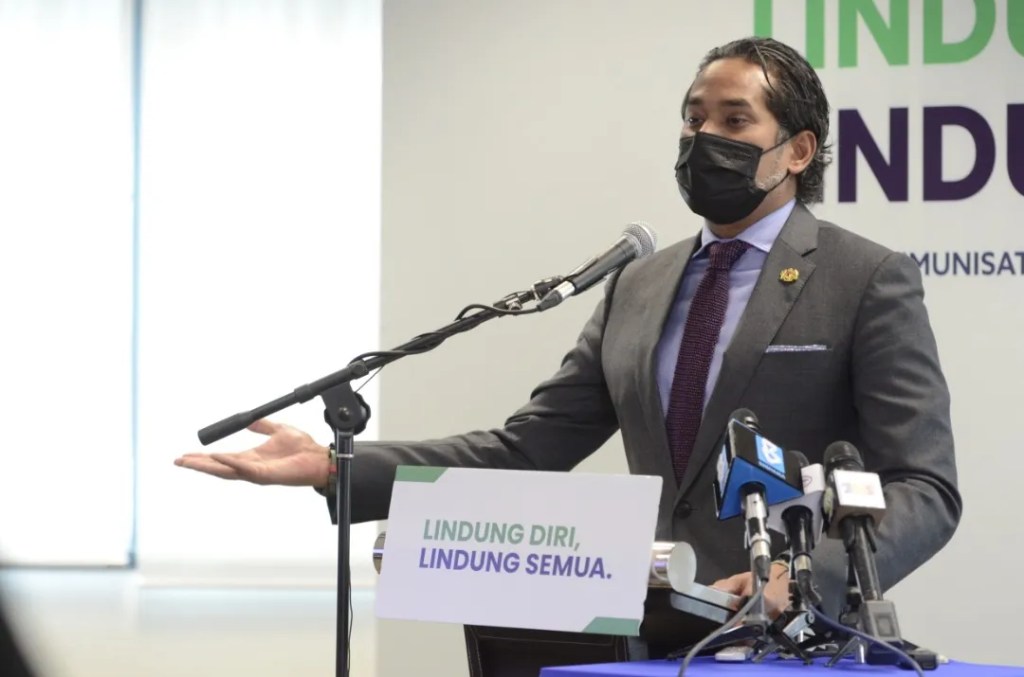
    Khairy Jamaluddin in a press conference regarding the Covid 19 national immunization program in Malaysia
    Image credit: CodeBlue
    KJ in one of his many press briefings. In my personal opinion, Khairy Jamaluddin performed extremely well as the Coordinating Minister for the National COVID-19 Immunisation Programme and my family is forever grateful for that.

    When my daughter Myra was diagnosed with stage 4 cancer in early 2021, the country was deep in the grip of Covid. KJ was then serving as the Coordinating Minister for the National COVID-19 Immunisation Programme, and the whole nation was scrambling to secure vaccination slots on the MySejahtera app. We were scrambling too. Except, for us, it wasn’t just about staying safe. It was about ensuring our daughter’s survival.

    Because Myra was undergoing chemotherapy, her immune system was severely compromised. If Covid entered our home, it could be fatal for her. We were desperate to get vaccinated. But like so many others, we couldn’t get a slot. Then, as a last-ditch effort, my ex emailed KJ directly. He explained our situation and asked if he could help us. That was on Tuesday, June 15.

    The very next day, someone from KJ’s team called us. They asked if we could make it for vaccination on the following day (Thursday). We said yes immediately. And just like that, on June 17, both my ex and I were vaccinated.

    We never caught Covid during the 6–7 months Myra was undergoing chemo. (She did catch it months later, post-recovery and it was mild.)

    Of course, we were ridiculously careful: masks on at all times, taking the stairs instead of the lift, sanitising like mad. But having those early vaccinations gave us a fighting chance. It helped protect us so that we could protect our daughter when her body couldn’t protect itself. And for that, I will forever be grateful.

    So today, I want to give a quiet, heartfelt thank you to KJ and his awesome team for being responsive, organised, efficient, and yes, HELPFUL. (I know you like that word, KJ.)

    What you did may have saved this family from losing a child. And when people lament that Malaysia lacks quality politicians, I will tell them this story. Because once, we had one who showed up. Who had a team he (and the Rakyat) could count on. Who got things done when it mattered. And if you ever decide to run for Prime Minister one day, you have my vote.

    Thank you, sir Khairy Jamaluddin.


     If you’d like to listen to the full episode of that podcast:
    #61: Leading in Crisis and Rating the MADANI Government (feat. Khairy Jamaluddin)
    👉 Watch it here


    Leave a comment

  • When Myra was first diagnosed, I was just overwhelmed by information.

    What could she eat? What should she avoid? Yes, I could’ve spent a few hours diving into research, but I was already trying to process my own emotions, figuring out how to explain things to Myra, and making all the necessary arrangements. It didn’t help that we were bombarded with unsolicited dietary advice and sales pitches from what I now fondly call “Free Experts”, people who give unqualified advice freely and generously.

    If you’re in the same place I was, let me help you cut through the noise with four simple truths:

    1. Fed is best.

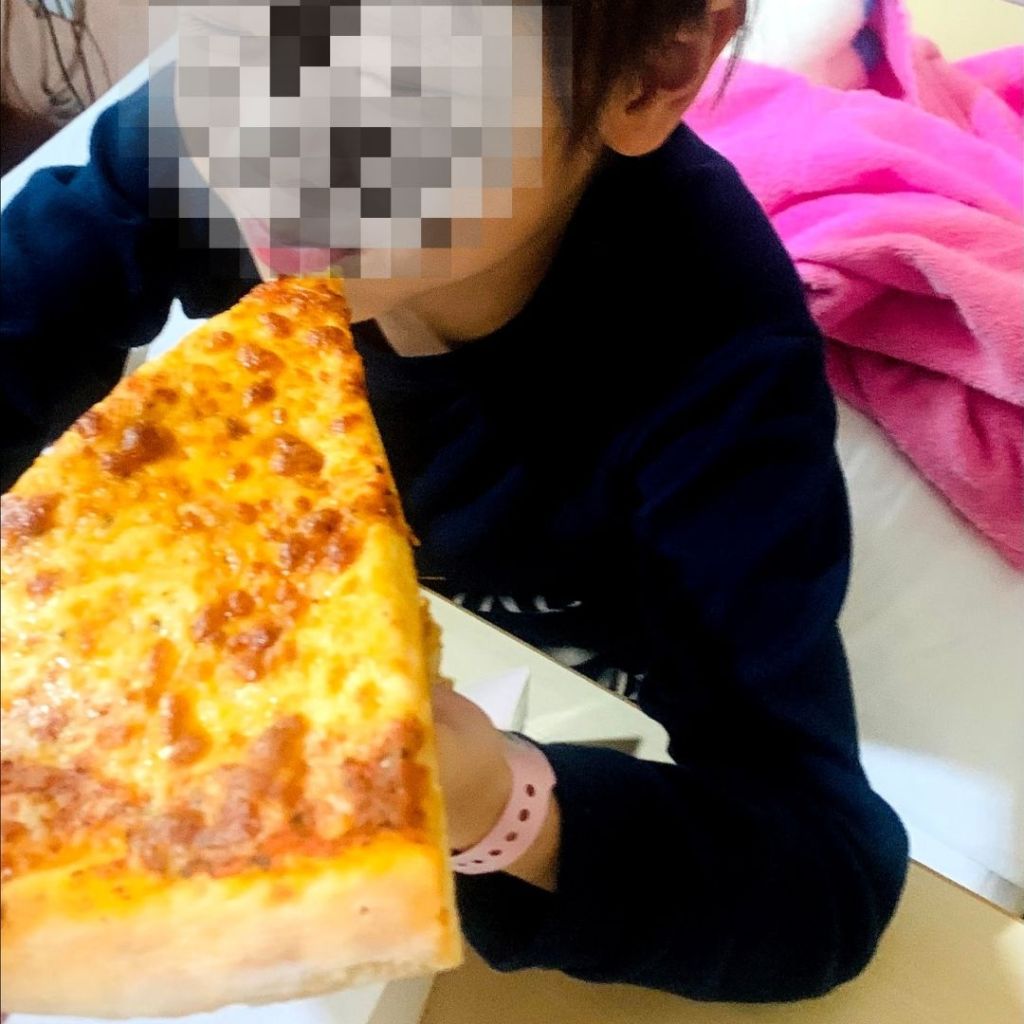
    Chemo does bizarre things to the taste buds. One day they say your food is too salty. Next day, that same thing is ‘tasteless’. If your chemo patient is barely eating and requests something strange – say, plain cheese pizza with nothing else, let them have it. Fuel is fuel. Let’s get them eating first. You can offer healthier options once they start feeling better.

    Fed is best. Child cancer patient eating pizza from her hospital bed.
    While undergoing chemo, Myra’s tastebuds changed. She developed a huge appetite for pizza – only with cheese. Instead of forcing her to only eat healthy foods, we indulged her weird food requests. Fed, after all, is best!

    2. Healing foods are found all over the fresh produce aisle.

    Yes, green tea and certain ingredients have shown promise in research. But that doesn’t mean you build every meal around just two or three “miracle” foods. Fresh produce all has a role to play. Some boost white blood cell count, others hydrate and soothe mucocitis (mouth ulcers), and many help with protein and recovery. Think variety. Don’t ignore the everyday heroes in your grocery cart just because they don’t come with buzzwords.

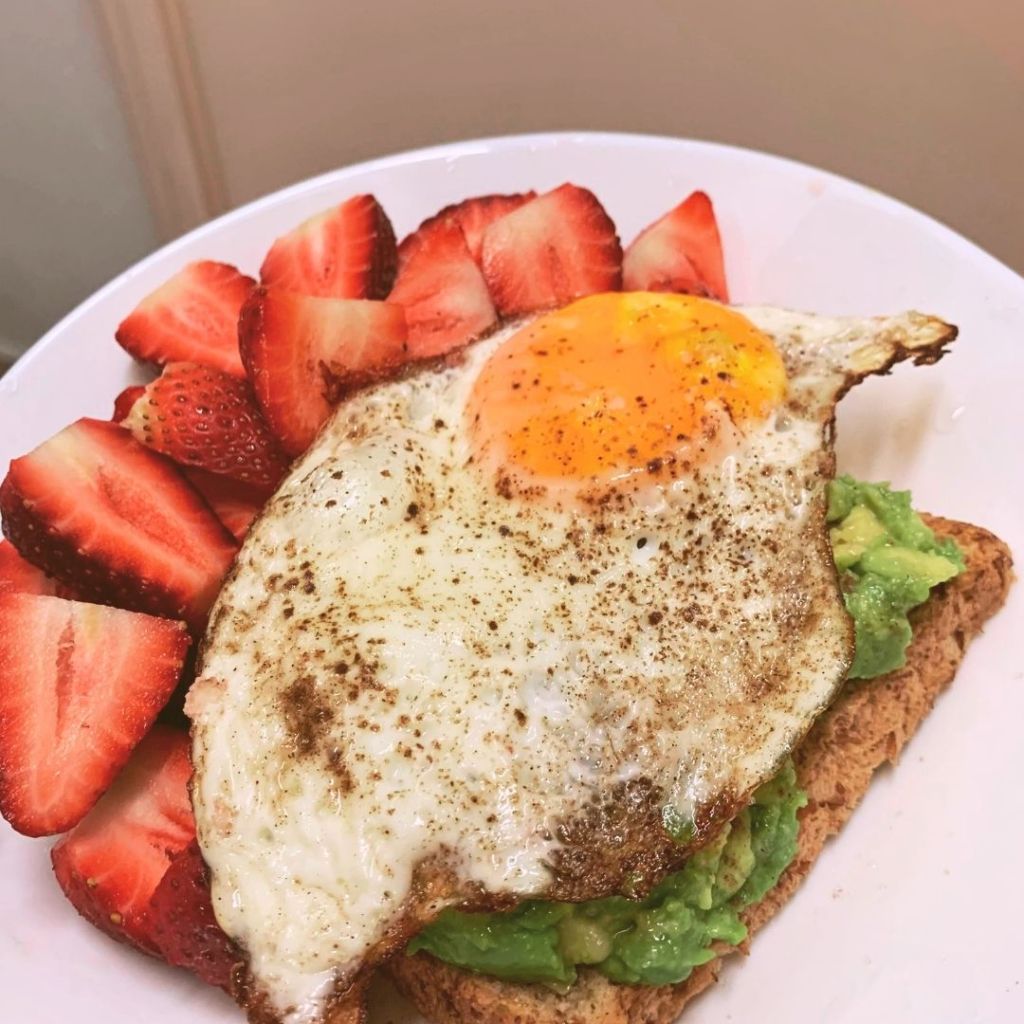
    What a typical meal for a cancer patient post cancer looks like. Just a variety of fresh whole foods.
    Don’t stick to only a few types of ‘super’ foods. All fresh, whole produce provide the patient (and caregiver) with all they need to recover from chemo. Myra ate a huge variety of whole natural foods post chemo.

    3. You do not need to burn a hole in your pocket for expensive supplements.

    The moment people hear about the diagnosis, the sales pitches start flooding in. RM300 miracle powders, super juices, magic pills. Some even come wrapped in guilt: “What kind of mother doesn’t want to give her daughter every fighting chance?


    Let me say this clearly: We completed the entire chemo journey without buying any of those overpriced supplements. It is 100% possible to heal and recover on whole, natural foods. You are not a bad parent or caregiver if you choose not to buy them.

    That said—if you can afford them and feel they help? Go ahead. Just know they’re optional, not essential.

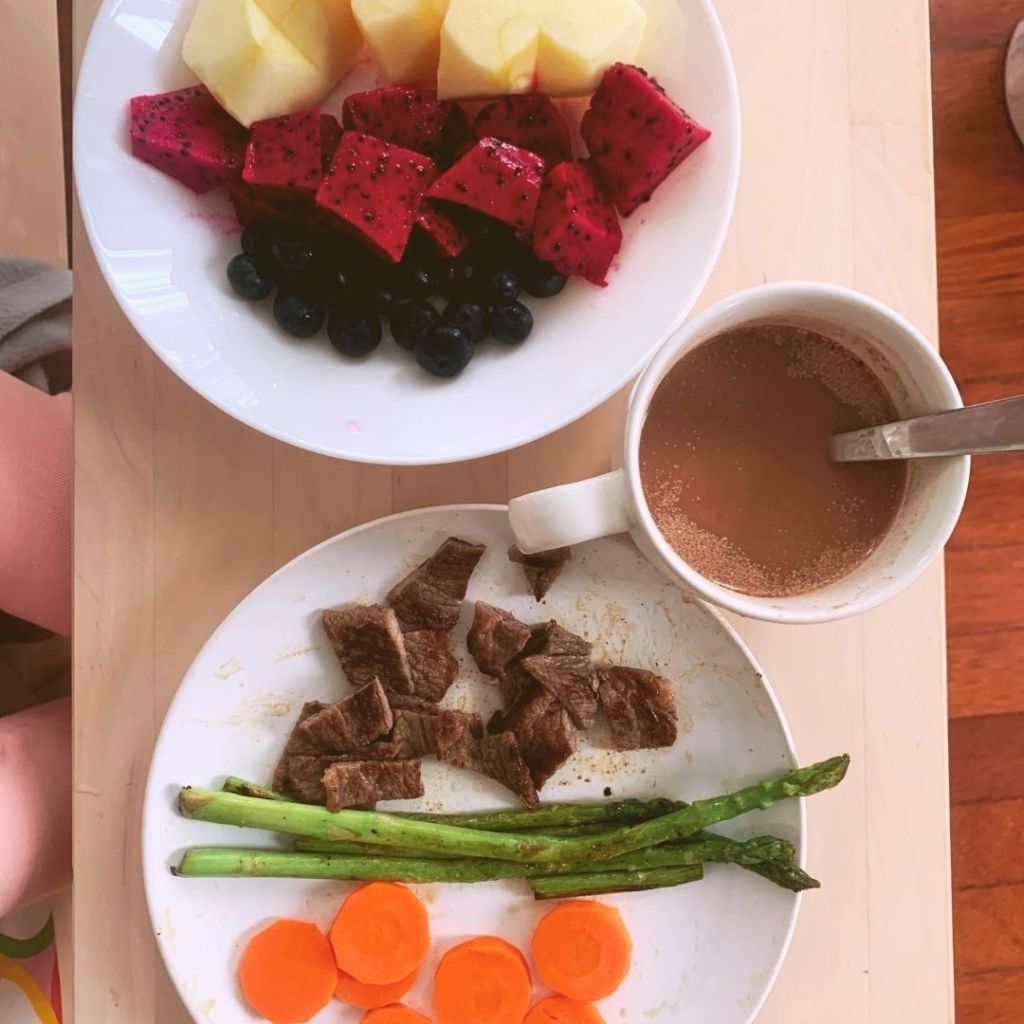
    A simple nutritious meal for a cancer patient post chemo
    Eat well, and you will not need to purchase overpriced, over-marketed health supplements. Myra’s typical meal post chemo looked like this – simple, nutritious and minimally processed.

    4. Don’t underestimate the healing powers of sunlight, movement, fresh air, and joy.

    After Myra’s first chemo cycle, her oncologist remarked how quickly her white blood cell count bounced back. “What special foods have your mom been feeding you?” she marveled.


    The answer? Whole foods. But I believe it was also the sunlight, the stroller walks when she was too weak to walk, the laughter, the daily rhythm of being outside. Even if it didn’t change her bloodwork, it lifted her spirit—and mine too. That matters.
    (There’s research on this. You can Google it. But honestly, do it if only for the mood lifting effect..)

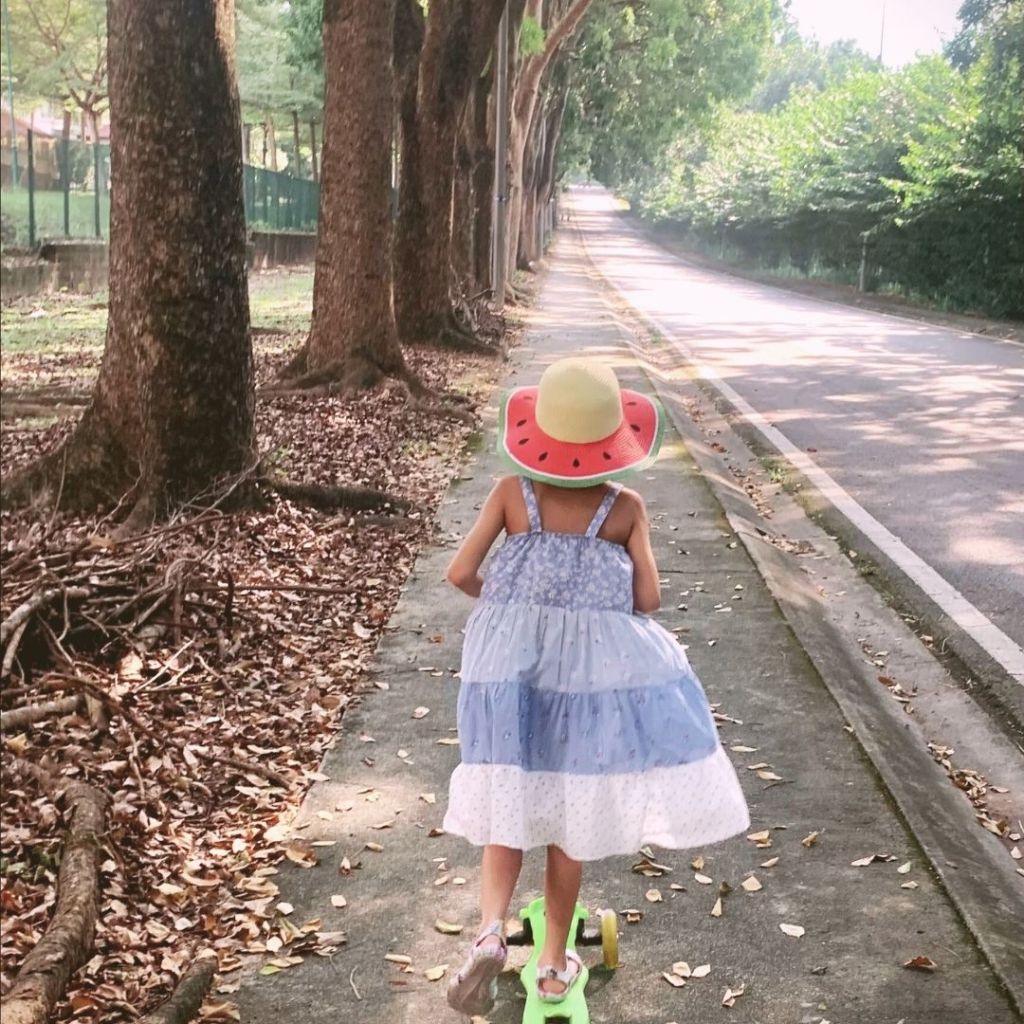
    Child cancer patient taking her scooter outside. Sun and movement are great for recovery.
    Life does not stop after a cancer diagnosis. Myra spent her mornings outdoors whenever she felt well enough. I believe that this was one of the reasons she recovered well post chemo.

    If you’re navigating this journey now, I know it’s easy to feel buried under a mountain of opinions. Just take a breath. Focus on what matters. Ignore the noise. Stick to what feels true and manageable for you.

    Note: If you know someone who will need this, please share this link with them!

    Leave a comment

  • When Life Changes Everything: Why I’m Starting This Blog

    When my daughter Myra was six, she was diagnosed with stage 4 cancer — Burkitt’s Lymphoma, one of the fastest-growing cancers there is.

    Nothing prepares a parent for that kind of heartbreak. Nothing prepares you to watch your child fight for her life.

    While caring for her through chemo, surgeries, procedures, and endless hospital visits, one thought pushed me forward day after day: all this suffering can’t be for nothing. Something had to come out of it. Something good had to come from all this pain.

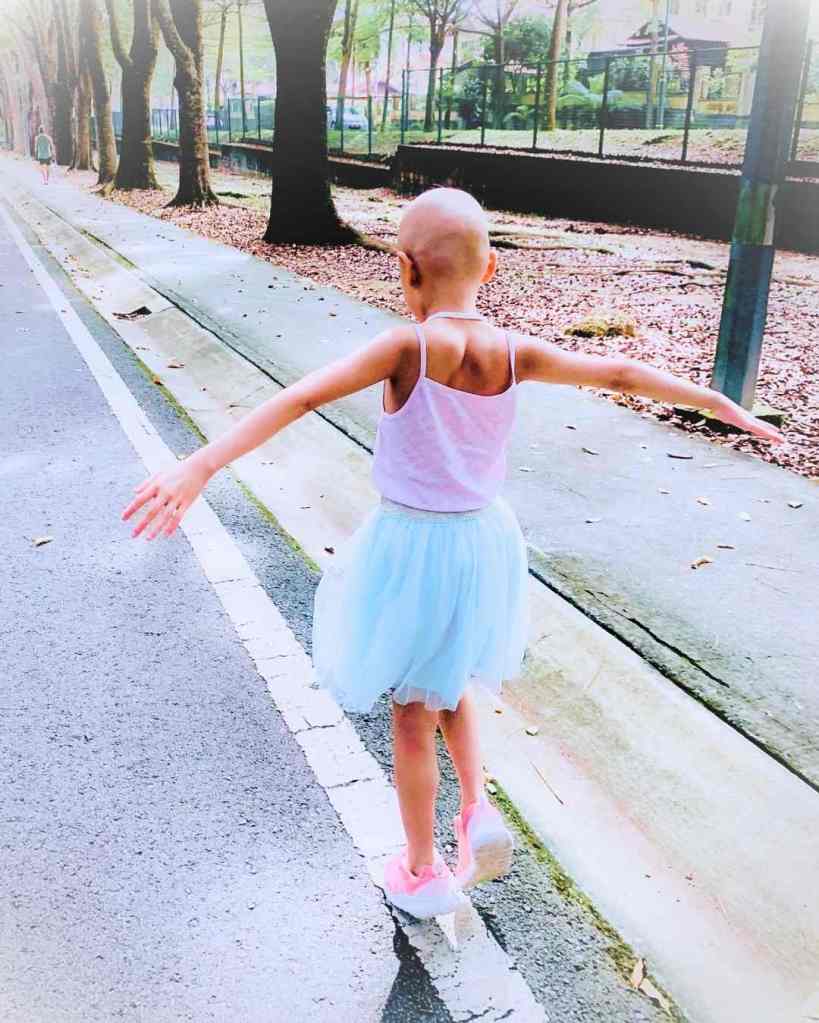
    Young girl with a bald head due to chemotherapy as treatment for cancer. She walks along a road with her hands playfully outstretched.
    Myra, living a light and joyful life — even while battling stage 4 cancer. At just six years old, my daughter showed me that joy is still possible, even when life feels most uncertain.

    At first, I tried soothing my broken heart by exercising in the hospital ward. Squats. Leg raises. Crunches. I even brought resistance bands so I could do outer thigh pulses while waiting for Myra’s weekly wound cleanings. I told myself that hey, even if we lost, I might walk away with a hot body. (Spoiler: I didn’t.)

    Other days, I promised myself that when this was over — no matter the outcome — I’d devote myself to this cause. I’d light the way for others. Be there for the next family. Even if I had nothing useful to offer, I could at least be a shoulder to cry on.

    And on the brighter days, when I dared to hope, I imagined a future where Myra would stand as a beacon for others. A living, walking testament that there’s light at the end of the tunnel. Just like those healthy, hair-grown-back cancer survivor kids in the pediatric oncology ward gave us something to cling to in our darkest moments. One day, I imagined her sharing her story, volunteering her time, helping others through their storm.

    As I write this, Myra’s been in remission for nearly four years.

    After 6 rounds of chemo, 4 surgeries, too many panic attacks to count, visits to the Emergency Department, and way too many days spent in hospital rooms, she is now free from cancer. She’s almost 11 now. Feisty as hell. Fiercely independent. Driven, funny, sweet. But most of all, she carries a quiet strength within her tiny body that is almost unbelievable. She’s fought so hard to be here — to spend her 7th, 8th, 9th, and 10th birthdays with us. And I hope for many, many, many more years.

    Where most of us take the life we’ve been given for granted, she truly lives. She grabs every opportunity she gets to gain a new experience, learn skills, experience joy. Since emerging from her cancer episode, she’s gone on hikes, water-tubed down rivers, played with snow for the first time, learned how to sew a skirt, surfed, created a self-branded product, pitched it in an entrepreneurial competition (and won), started swimming competitively, and brought home medals as a testament to her dedication. Every bit of that reflects her sheer love of life.

    And me? I just couldn’t be prouder of what she has made of this life she fought so hard to keep.

    To this day, she talks about her time battling cancer as one of the best times in her life. It still amazes me that such a dark period could be felt as “the best time.” But when I think about it, I can see why.

    As humans, we’re conditioned to label things: good or bad, desirable or undesirable. We then respond to situations as labeled — happy when things go “right,” upset when they don’t. But Myra’s journey showed me that when we step out of this pattern of thinking and just take the situations in our life as they are — not good, not bad, just is — suddenly, we’re better equipped mentally to handle what life dishes out to us.

    When Myra had cancer, I never drummed into her how truly sick she was. She knew she had stage 4 cancer, yes. But that was as far as it went. I never told her that chemo would make her feel terrible, or that cancer patients are weak, sickly people that needed to stay in bed. I kept my mouth shut, observed her and I responded accordingly.

    And to my surprise, without verbal suggestions and what I call “mental programming,” she didn’t become the bed-bound, sickly patient – the type that society would typically imagine stage-four cancer patients to be. In fact, she breezed through the entire process and came out the other end relatively unscathed. During that time, she skipped, danced, laughed, played and lived a fuller, more joyful life than most of us would on any regular day.

    Witnessing how different fighting cancer was for her versus the conventional narrative, I saw first hand how powerful the mind is in determining how you experience life and situations. And how mindset shifts could truly be useful for anyone going through a tough spot in life, not just battling cancer.

    So, remember when I said something good had to come out of this?

    Well — this is it.

    By sharing useful insights, coping hacks, diet tips, and recipes through this blog — and also through the book I’m writing, It’s Only Hair — I’ll share how to handle setbacks in life like Ninja Myra. The hacks. The insights. The mindset shifts. The nutrition tips. The good days. The very, very bad ones. I want to share it all — in case it helps even one person out there walk their own journey with a little more courage and a little less fear.

    So stay tuned.

    We’ve got so much to talk about.

    8 responses to “Something Good Must Come From This”
    1. Aylwin Soon Avatar
      Aylwin Soon

      Great sstuff. Hope to read more

      Liked by 1 person

      1. Brenda Zara Tan Avatar

        Hope I won’t disappoint! Thanks for your support.

        Like

    2. iampepperlim Avatar
      1. Brenda Zara Tan Avatar

        Thank you. So much more to share! Now, to find the time to write it all down.

        Liked by 1 person

    3. Raja Izan Avatar

      Very well written introduction of what’s to come!!!

      Proud of you. And more so of our Myra.

      Like

      1. Brenda Zara Tan Avatar

        Thank you! You’re in the book too.

        Like

    4. On Writing and Imposter Syndrome – It's Only Hair Avatar

      […] Something Good Must Come From This […]

      Like

    Leave a comment